
Why Are My Houseplant Leaves Turning Yellow? 7 Common Causes
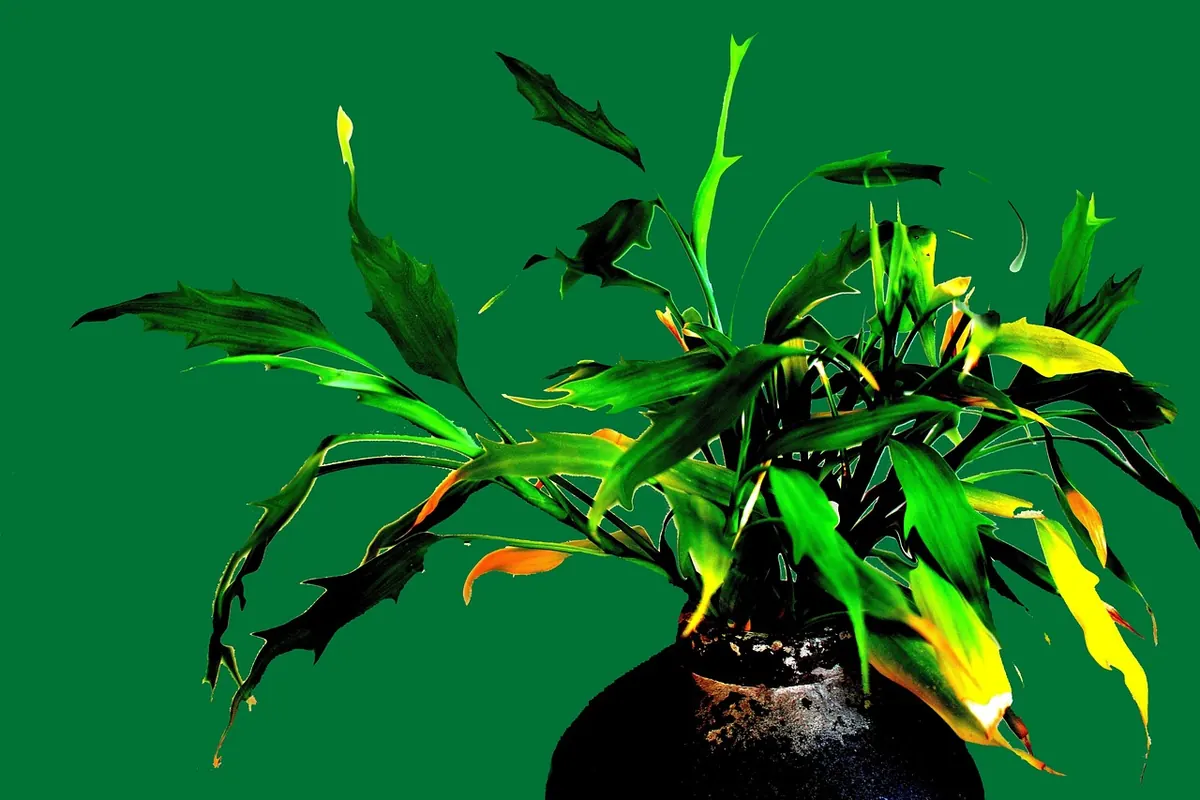
One morning your monstera looks perfectly fine. The next, a leaf near the base has turned the colour of pale straw, and by the weekend two more have followed. Yellowing leaves are the most common houseplant complaint, and also the vaguest: they can mean too much water, too little, a hungry plant, a hidden pest, or nothing more than an old leaf retiring quietly. What matters is the pattern — which leaves are changing, how fast, and what the rest of the plant is doing. Work through the seven causes below and you will usually have your answer within a fortnight.
1. Overwatering
This is the one to rule out first. Houseplants in the UK often sit in compost that stays wet far longer than we assume, particularly from October to March when light levels drop and growth slows to a crawl.
Roots need oxygen as much as water. In permanently soggy compost they suffocate, rot, and stop taking up nutrients — so the plant starves while sitting in moisture. The classic signature is lower and older leaves turning soft, limp and yellow, sometimes with brown mushy stems, sour-smelling compost and a scatter of fungus gnats.
To fix it: check that the pot has drainage holes and empty the decorative outer pot or saucer about twenty minutes after watering. Water only when the top two or three centimetres of compost feel dry — push a finger in, or lift the pot, since a light pot means dry compost. If the roots are brown and mushy when you slide the plant out, trim them with clean scissors, repot into fresh compost, and choose a pot no more than a couple of centimetres wider than the rootball.
2. Underwatering and erratic watering
The opposite problem looks subtly different. Dry compost produces yellow leaves that go crisp and brown at the tips and edges, usually starting on the outer or lowest leaves. The compost shrinks away from the sides of the pot and the whole thing weighs almost nothing.
Little sips of water will not rewet bone-dry compost, which by then repels moisture. Water thoroughly until it runs out of the drainage holes, or stand the pot in a bowl of water for twenty minutes if the compost has gone hard. Then settle into a routine: plants cope far better with steady watering than with a fortnight of neglect followed by a flood, which can split leaves and rot roots at the same time.
3. Light: too little, or too much direct sun
A plant in a dim corner will slowly shed its lower leaves as it stops being able to support them. The yellowing is gradual, growth becomes leggy and stretched towards the window, new leaves come in smaller and paler, and variegated plants lose their pattern. Moving a plant from three metres away from a window to one metre makes a bigger difference than most people expect, and a weekly quarter turn keeps growth even.
Too much direct sun causes a different kind of yellow: leaves that bleach and yellow on the side facing the glass, often with crisp brown patches, usually in June and July. A sheer curtain or a step back from the sill solves it. Watch out for sudden moves, too — a plant shifted from shade into full afternoon sun can scorch within days.
4. Nutrient deficiencies
If water and light are both sensible and the plant still looks tired, think about feeding. Older leaves that turn uniformly pale yellow while the plant looks generally washed out and slow often point to a lack of nitrogen. Yellowing between the veins of older leaves, with the veins themselves staying green, suggests magnesium. Yellow new leaves with green veins can point to iron, though this is usually caused by compost that is too wet or too alkaline rather than a genuine shortage.
Feed during the growing season, roughly March to September, with a balanced houseplant fertiliser at the strength on the label — half strength fortnightly suits most plants indoors. Do not overdo it: too much feed causes crispy brown tips and a white crust on the compost surface. If you suspect a build-up, flush the pot with plain water several times and let it drain. Repotting every couple of years, or topping up the compost, does much of the same job.
5. Pests
Pests feed on plant sap, which shows up as mottled, speckled or stippled yellowing rather than a clean, even change in colour. Check the undersides of leaves, the joints where leaves meet stems, and the newest growth. A torch helps.
- Spider mites: fine webbing and pale speckling, worst in warm, dry air.
- Thrips: silvery streaks with tiny black specks of droppings.
- Mealybugs: white, cottony blobs tucked into leaf joints.
- Scale: small brown or tan bumps along stems and leaf midribs.
Isolate the plant, wipe the leaves with a damp cloth or give it a lukewarm shower, then treat with an insecticidal soap or neem oil following the label. Repeat weekly for several weeks, because eggs hatch in waves. Check neighbouring plants as well — pests rarely stay put.
6. Temperature, draughts and dry air
Cold draughts from old windows, the blast from a radiator, and air conditioning can all cause a sudden flush of yellow leaves rather than a gradual decline. Most tropical houseplants are happiest between about 18°C and 24°C, and a spot that dips below 10°C at night will cost you leaves. Move plants away from radiators, draughty doorways and single-glazed windows, and keep them off cold floors in winter. Low humidity usually shows as brown, crispy edges rather than whole yellow leaves, but a stressed plant will shed leaves as well.
7. Natural ageing and simple shock
Sometimes nothing is wrong. The oldest leaves at the very bottom of a plant will yellow one at a time and drop off as the plant withdraws nutrients from them — normal turnover, especially on dracaenas, palms and rubber plants. A move to a new home, a repot, or a chilly journey back from the garden centre can also trigger a scatter of yellow leaves. If new growth looks healthy and only an odd lower leaf is going over, leave it alone and give the plant a few weeks.
How to narrow it down
Before you change anything, gather evidence. Feel the compost. Look at where the yellowing is happening. Check the undersides of two or three leaves. Then match what you find:
- Lower leaves, soft and limp, soggy compost: overwatering. Let it dry out and check drainage.
- Lower leaves, crisp and brown-edged, bone-dry compost: underwatering. Water deeply and start a routine.
- Uniform pale yellow across many leaves: likely hungry, or overdue a repot.
- Yellow between green veins: magnesium or similar, and worth a feed.
- Speckled, mottled or stippled yellowing: pests. Inspect closely and treat.
- One or two oldest leaves, healthy new growth: nothing to fix.
Change one thing at a time and wait two or three weeks before judging the result. A leaf that has gone fully yellow will not turn green again, so once it is limp or clearly past saving, snip it off close to the stem — it is no longer doing the plant any favours. Keep anything still partly green, as it is still working for a living. Houseplants recover slowly, but they do recover, and a steady hand with the watering can solves more yellow leaves than anything else you can buy.
Photo: terimakasih0 / Pixabay