
Home Composting for UK Households: A Simple Beginner's Guide
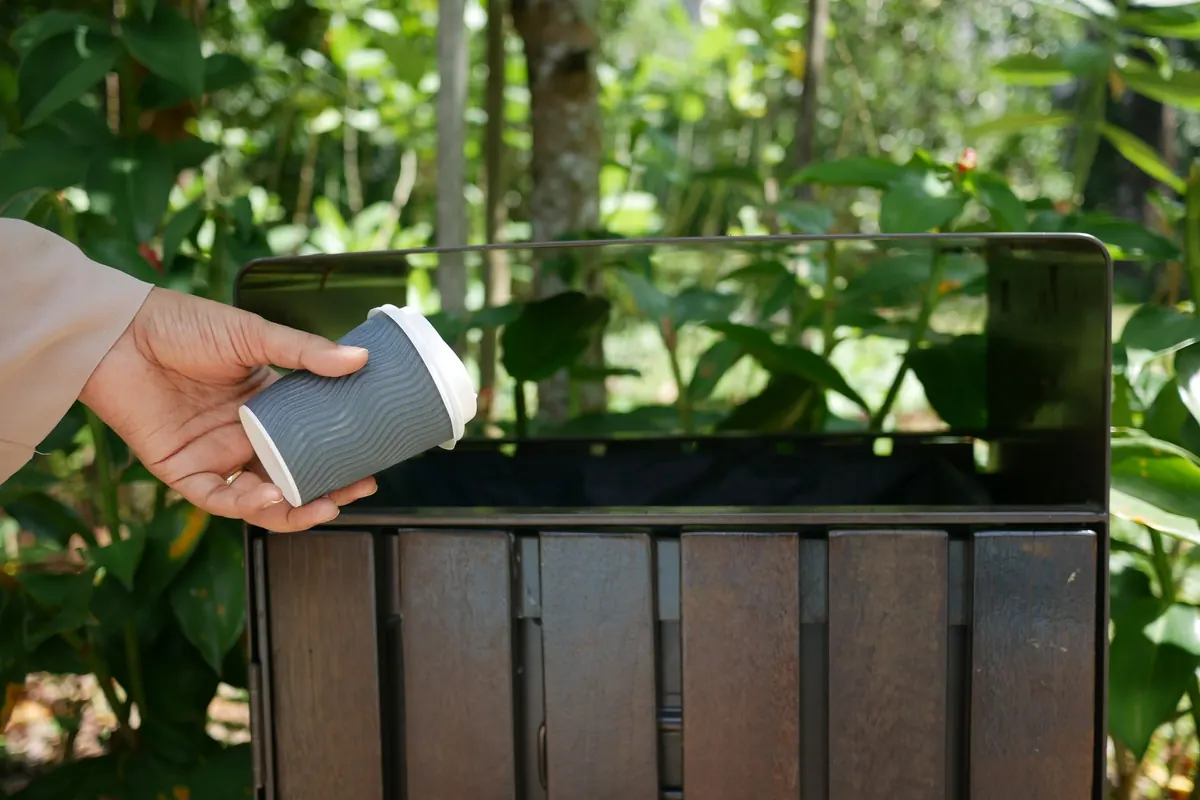
A compost bin is the most forgiving thing you can add to a British garden. It takes the vegetable peelings, teabags and grass cuttings you were throwing away and hands back something dark and crumbly your borders will thank you for. No feeding, no walking, no vet bills.
Most bins fail for the same few reasons: too wet, too dry, or filled with nothing but grass cuttings. Fix those and home composting becomes genuinely low-effort, whether you have a long garden in Shropshire or a balcony in Leeds.
What to compost, and what to keep out
Composting is a trade between two materials. Greens are soft, wet and rich in nitrogen; they get the microbes working. Browns are dry and woody; they add structure and let air in. Keep both going in and you will rarely have trouble.
Greens
- Fruit and vegetable peelings, tired salad, teabags and coffee grounds — tear teabags open if the box says they contain plastic
- Grass cuttings, spread in thin layers rather than dumped in a lump
- Annual weeds pulled before they set seed
- Spent bedding plants, cut flowers and deadheaded blooms
- Nettle and comfrey leaves
Browns
- Cardboard torn into pieces, with tape and staples removed
- Newspaper, toilet roll tubes and egg boxes
- Straw, wood shavings and sawdust from untreated timber
- Chopped-up pea and bean haulms
- A couple of handfuls of soil or old compost to introduce the right microbes
Leave these out
- Cooked food, meat, fish, dairy and bones, which attract rats — a bokashi bin is the exception and handles cooked scraps well
- Dog and cat faeces, used cat litter, nappies and vacuum cleaner contents
- Pernicious weeds such as bindweed, ground elder and couch grass, and anything with seed heads
- Diseased material, including blight-infected tomato plants and potato haulms
- Glossy magazines, treated timber and coal ash
Two things you can stop worrying about: citrus peel and onion skins. In sensible amounts they are fine in a normal bin; only worms are fussy about them.
Choosing a bin that suits your space
You do not need to spend much. Any bin that sits on bare soil and lets a little air in will do the job.
Plastic bins and dalek-style models. Usually the cheapest, and often discounted through council schemes. They hold warmth and keep rain out, but the narrow hatch at the bottom makes turning awkward. You may end up lifting the whole bin off and forking the contents back in.
Wooden slatted bins and pallet heaps. Breathable, roomy and easy to turn. A pallet cube in a corner is a fine low-cost option if you have the space.
Tumblers. Good for courtyards and small gardens because they are sealed against pests and simple to turn. The catch is batch size: fill it, let it finish, empty it, start again.
Wormeries and bokashi bins. A wormery suits a balcony and takes kitchen waste only, with a liquid feed as a bonus. Bokashi ferments everything, including cooked food, but the contents still need burying or adding to a heap to finish.
Put yours on level, well-drained ground in light shade, within easy reach of the kitchen door. If you can run two bins, do: fill one while the other matures.
Getting the mix right
The rough rule is two to three parts browns to one part greens by volume. In practice, that means a similar-sized handful of torn cardboard for every caddy of peelings.
Layer rather than mix if that is easier: greens, then browns, then greens. Chop bulky items, because smaller pieces rot faster. Aim for the texture of a wrung-out sponge — damp and cool, not dripping. If it is soaking, add browns and turn it. If it is dusty and dry, water it and add a few greens.
Keeping it going through the year
Turn the contents every few weeks if you can, bringing the outside to the middle. It is not essential, but it speeds things up and stops the heap going sour.
Summer is the awkward season. Grass grows quickly, the bin fills with wet green material and the whole lot slumps into a slimy mat, so keep a bag of torn cardboard beside the bin. In winter everything slows down and may stop entirely. That is normal. A lid, or an old piece of carpet over the top, helps hold in some warmth.
Troubleshooting
- Sour, rotten-egg smell: too wet and airless. Turn it and add browns.
- Sharp ammonia smell: too many greens. Same fix.
- Dry, with nothing happening: water it and add greens or a little soil.
- Fruit flies around the lid: bury fresh scraps under the top layer, add browns, and stop adding cooked food.
- Rats or mice: remove cooked food, meat and dairy, keep the lid secure and stand the bin on paving or wire mesh if burrowing is the problem. If it continues, your council's pest control team can advise.
- Ants inside: the heap has dried out. Water and turn it.
- White mould or thread-like fungus: normal. It is breaking down woody material.
- Slugs, woodlice and worms: welcome guests, all part of the process.
Using the finished compost
Compost is ready when it is dark, crumbly and smells of woodland floor, with no more than the odd eggshell or twig still visible. A cool heap takes six months to a year; a tumbler can manage it in a few months in warm weather.
Spread it as a mulch around shrubs and perennials, fork it into vegetable beds in autumn, or sieve it and mix it with loam and grit for potting. Unfinished compost is not wasted — use it as a rough mulch and let the worms finish the job.
A few habits worth keeping
Keep a small caddy by the sink and empty it every couple of days, before it starts to smell. Keep a supply of torn cardboard or shredded paper beside the bin; this is the single habit that prevents most problems. Turn the heap when you remember rather than to a schedule, and do not fuss over ratios or temperatures.
Start with one bin and one season. A modest heap quietly dealing with a household's peelings, teabags and grass cuttings is doing real work, and by next spring you will have something worth digging in. If space is tight, a wormery on a balcony will get you most of the way there.
Photo: Towfiqu barbhuiya / Pexels